Introduction
Copper alloys have been instrumental in human development since the Bronze Age and remain essential in modern engineering, electronics, infrastructure, and sustainable technologies. By combining copper with other metals—such as zinc, tin, nickel, and aluminum—alloys are engineered to deliver tailored performance for diverse industrial needs.
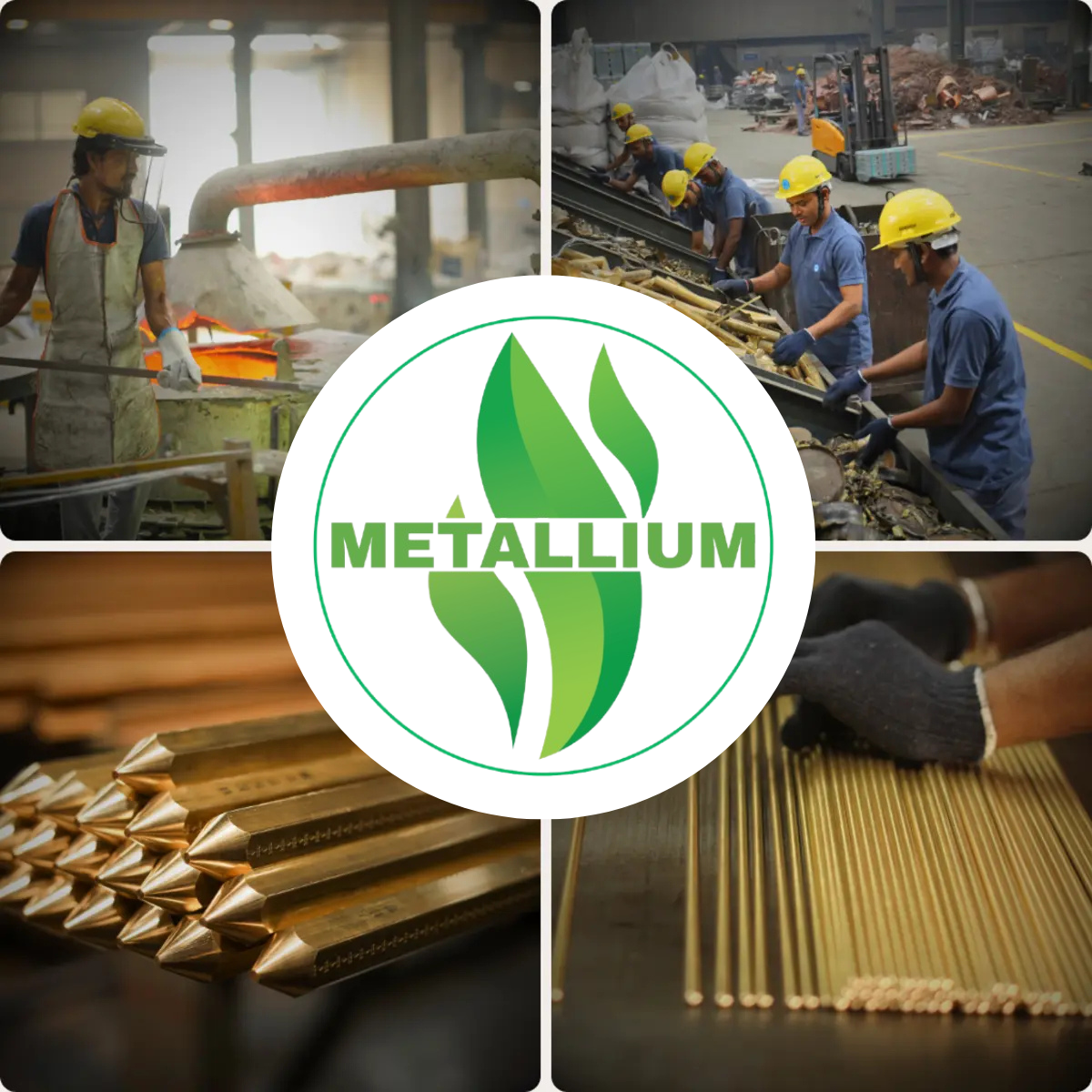
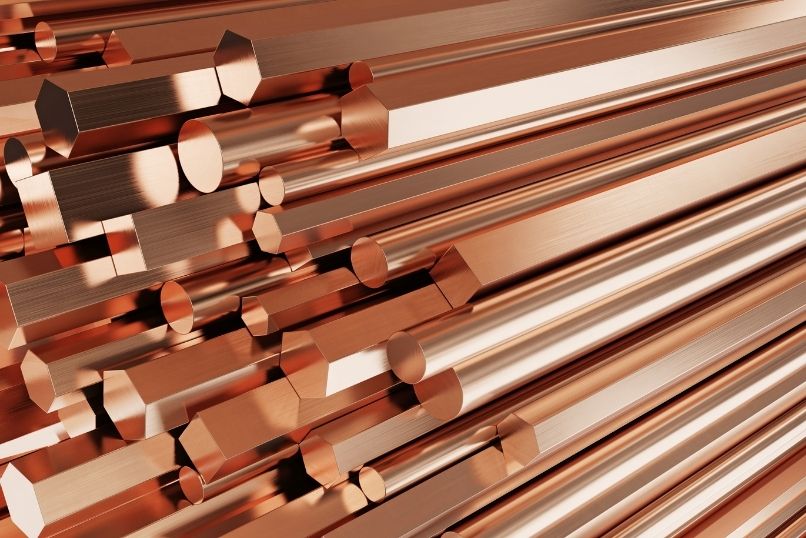
Copper and its alloys come in many shapes and uses—from precision connectors to heavy-duty marine components.
What Makes Copper Alloys Special?
Copper’s inherent electrical and thermal conductivity is second only to silver, but far more cost-effective and abundant. Alloying enhances strength, wear resistance, machinability, and corrosion resistance, unlocking performance profiles that pure copper cannot achieve on its own.
Core Advantages
Electrical Conductivity: Pure copper reaches ~100% of the International Annealed Copper Standard (IACS), remaining a preferred conductor for electrical systems.
Corrosion Resistance: Copper alloys resist fresh water and many industrial environments, often forming protective surface films that extend component life.
Manufacturability: From CNC machining to casting and extrusion, copper alloys are adaptable to complex shapes and precision parts.
Recyclability: These materials can be recycled repeatedly with minimal loss of performance, aligning with sustainable manufacturing goals.
Popular Copper Alloy Families
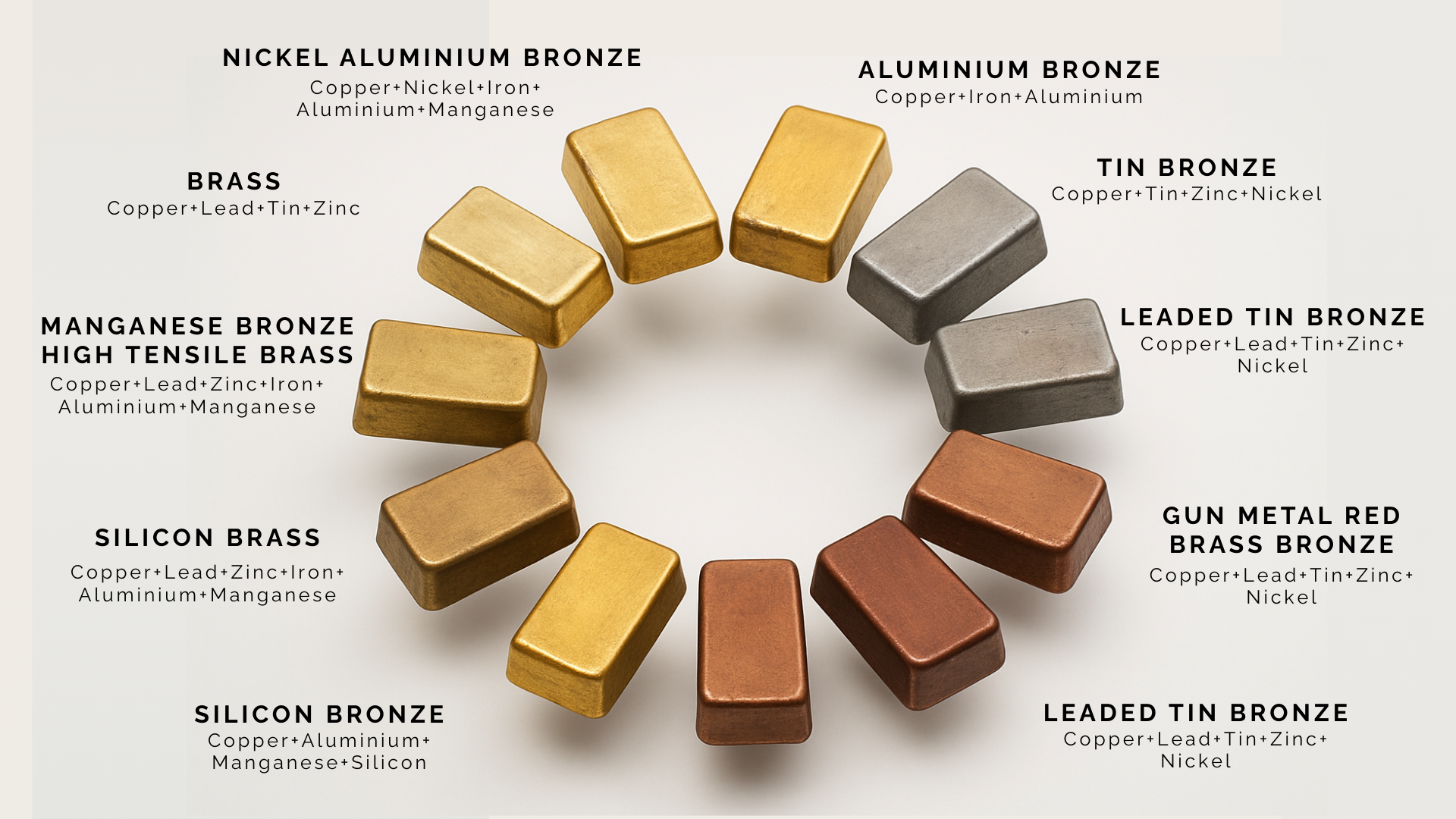
Brass (Copper–Zinc Alloys)
Brass is among the most widely used copper alloys, notable for good machinability, attractive finish, and corrosion resistance. It’s particularly common in plumbing, HVAC fixtures, and decorative hardware.
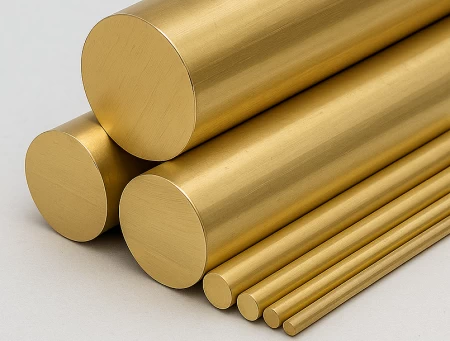
Bronze (Copper–Tin & Related Alloys)
Bronze dates back thousands of years and remains vital in bearings, bushings, and marine environments due to its hardness and wear resistance.
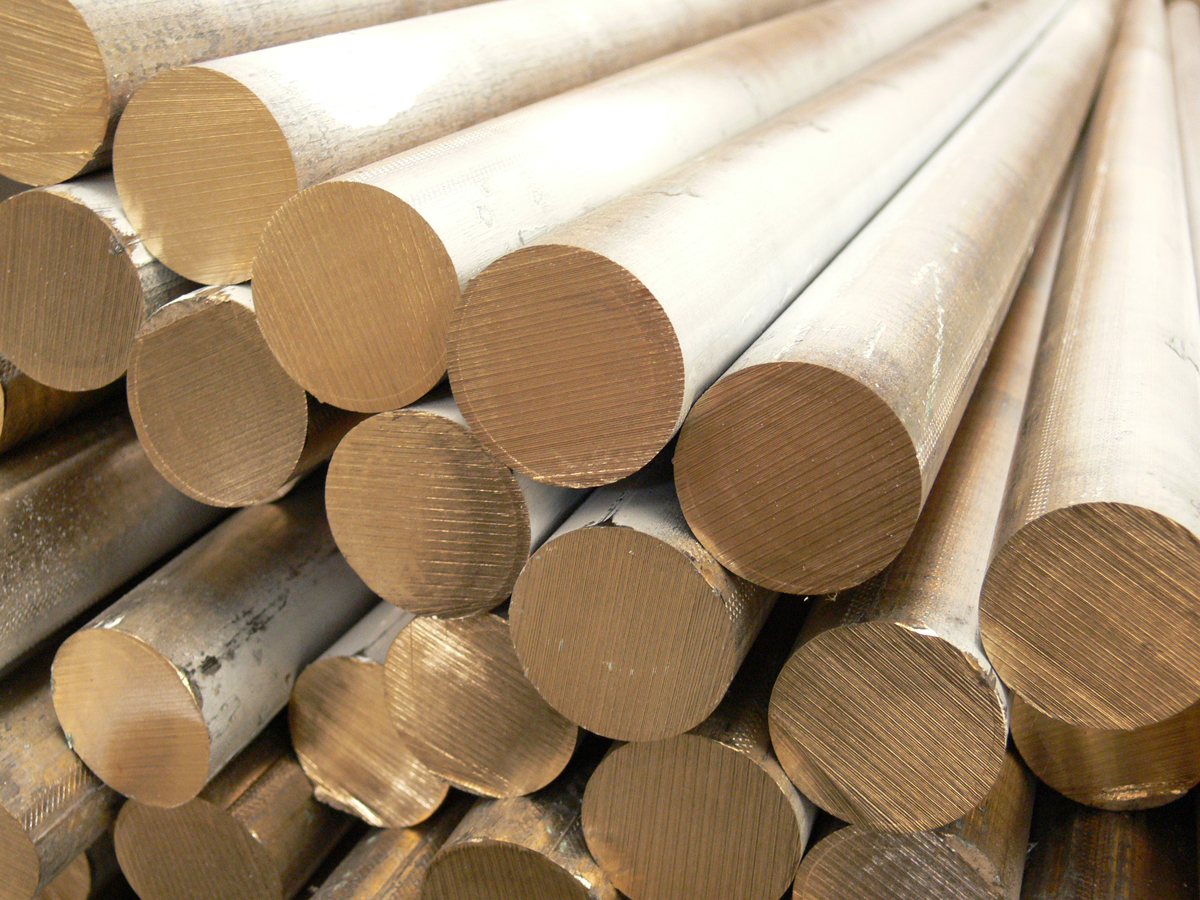
Copper-Nickel Alloys
With excellent seawater corrosion resistance and strength, cupronickel alloys are preferred in marine engineering and heat exchanger systems.
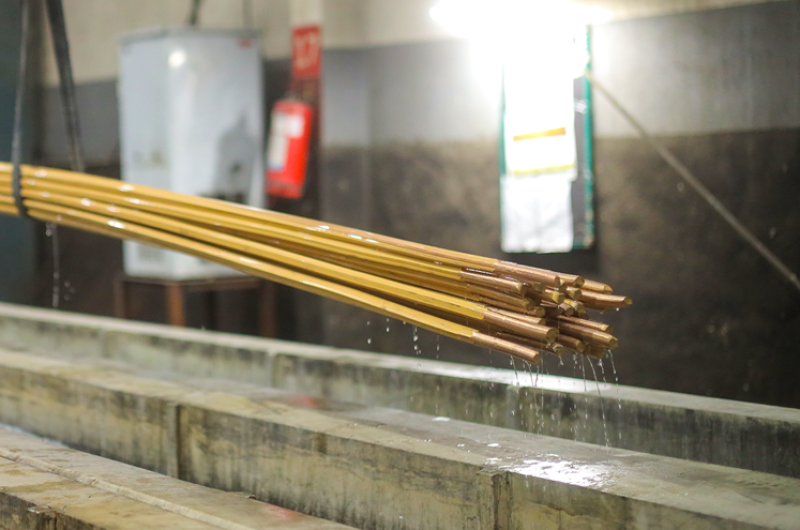
Specialty Alloys
Innovations such as beryllium copper and high-conductivity alloys strike combinations of strength and conductivity for aerospace, electrical contacts, and high-performance mechanical components.
Key Performance Data (2026 Outlook Estimates)
| Alloy Type | Typical Conductivity (S/m) | Approx. Strength (MPa) | Primary Uses |
| Pure Copper | ~59×10⁶ | ~210 | Electrical grids, EV wiring |
| Brass (Cu–Zn) | ~16×10⁶ | ~350 | Plumbing, automation hardware |
| Bronze (Cu–Sn) | ~12×10⁶ | ~340 | Bearings, pumps |
| Copper–Ni | ~22×10⁶ | ~300 | Marine, chemical plants |
| Source: industry forecasting data |
These figures illustrate how alloying shifts material properties to suit specific requirements in strength, conductivity, and corrosion resistance.
Market Trends & Growth
🚀 Rapid Market Expansion
The global copper alloys market is projected to reach approx. $148.7 billion by 2034, with brass holding the largest segment share.
The copper alloy connector market alone was valued at USD 13.4 billion in 2023 and is expected to grow at ~6.5% CAGR through 2033, driven by demand in electronics, automotive, and renewable energy systems.
📈 Demand Drivers
Electrification of transport (especially EV charging infrastructure) requires extensive use of high performance copper alloys.
Renewable energy systems and grid modernization use copper alloys for busbars, connectors, and heat-dissipating components.
Marine and chemical industries demand corrosion-resistant alloys for long-life components.
Sustainability & Future Outlook
Copper and its alloys are infinitely recyclable without degradation in material quality, making them attractive for sustainable engineering solutions. Furthermore, manufacturers are pioneering closed-loop alloy recycling systems that significantly reduce greenhouse gas emissions and energy use.
Recycling copper alloys requires up to 85% less energy than producing primary copper, making them a key material in circular manufacturing.
| Material Source | Relative Energy Use |
| Primary Copper | 100 |
| Recycled Copper | 15 |
Energy Use – Primary vs Recycled Copper
(Column chart – Energy Consumption Index)
Conclusion
Copper alloys combine heritage and high performance: ancient materials that remain cornerstones of advanced industrial and technological systems. Their adaptability—from electrical conductors to corrosion-resistant mechanical components—ensures ongoing relevance as global demand for efficient, durable, and sustainable materials continues to grow.
https://www.metallium.co.uk/brass-1