Introduction
If you work in aerospace, motorsport, medical fixtures, or chemical processing, Ti-6Al-4V remains the workhorse titanium alloy you reach for when weight, strength, and corrosion resistance must align.
This 2026 spec-spotlight gives you the essentials, from composition and heat treatment to machinability and welding. You will also find the key standards, typical UK-sector applications, and how Metallium supports your programme with bar, plate, tube, and forgings to tight tolerances and full certification.
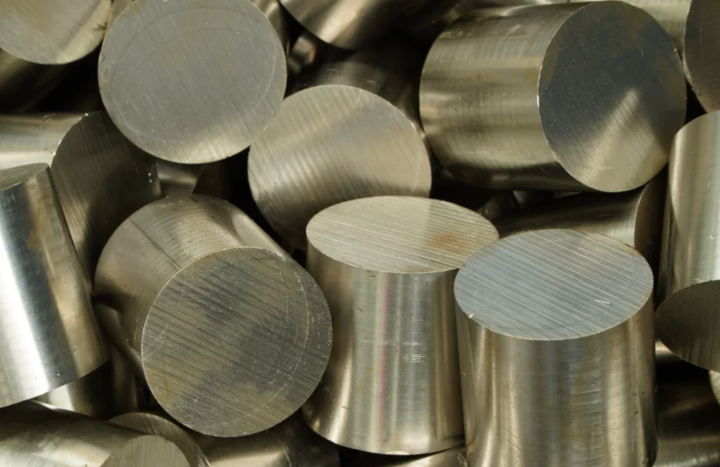
What is Ti-6Al-4V, and is it the same as Grade 5?
Ti-6Al-4V is an alpha plus beta titanium alloy containing approximately 6 percent aluminium, 4 percent vanadium, with the balance titanium and trace elements. In common use, Grade 5 titanium and Ti-6Al-4V describe the same alloy, identified by standards such as ASTM B348 for bar and ASTM B265 for sheet and plate. You will also see UNS R56400 and AMS specifications for aerospace formats.
The aluminium stabilises the alpha phase for strength and stiffness, while vanadium stabilises the beta phase for toughness. This balanced microstructure delivers high specific strength and robust fatigue resistance across a wide temperature range.
Core properties engineers rely on
Corrosion resistance: A stable titanium oxide film forms instantly in air and aqueous environments, giving wide resistance in chloride-bearing media and many chemicals. In practical terms, Ti-6Al-4V does not rust in the steel sense, although it can suffer from crevice corrosion or stress corrosion in certain hot chloride or reducing acid conditions. Material selection and design for drainage reduce those risks.
Temperature capability: Useful mechanical properties up to roughly 300 °C in continuous service. For higher temperature duty, specialised near-alpha or alpha plus beta alloys are preferred.

Does Ti-6Al-4V rust?
No, it does not rust like carbon steel. Rust refers to iron oxides from iron based alloys. Ti-6Al-4V forms its own tenacious titanium oxide film which protects the surface in many environments. Always assess service media and temperature, since tight crevices, stagnant chloride solutions, or strong reducing acids can challenge the passive film.
Heat treatment routes you should know
Heat treatment adjusts microstructure between alpha and beta phases to tailor strength, ductility, and fracture toughness.
Annealed: A stress relief or full anneal improves toughness and machinability. Common for plate and large forgings where uniform properties and dimensional stability are priorities.
Solution treatment and age (STA): Solution treat in the beta or alpha plus beta region followed by quench and age. This raises tensile strength and yield, often used for high-duty aerospace bars and forgings where fatigue strength is critical.
Stress relief: Applied after machining or forming to stabilise dimensions and reduce residual stresses, improving fatigue life.
Specify required mechanical properties and heat treatment class per the relevant AMS or ASTM document to ensure test coupons and results align with your qualification plan.
Machinability and welding, practical notes
Machining: Ti-6Al-4V has low thermal conductivity and tends to work harden at the tool interface. Use sharp carbide or modern PVD coated tools, positive rake, rigid setups, generous coolant through-tool if possible, and moderate surface speeds with relatively high feed to keep tools in the cut. Avoid dwell. Flood or high-pressure coolant helps evacuate chips and control heat.
Drilling and tapping: Pilot holes, split-point drills, peck cycles with minimal dwell, and cutting oils or MQL additives assist tool life. Thread milling can outperform tapping in consistency.
Surface finish: Improve fatigue resistance by removing recast layers from EDM and minimising tensile residual stress. Consider light polishing or shot peening where appropriate.
Welding: Ti-6Al-4V welds well with GTAW or electron beam processes when shielding is first-class. Use trailing shields and gas purging to prevent embrittlement from oxygen or nitrogen pick-up. Joint cleanliness and matching filler are essential; post-weld stress relief may be specified for critical parts.

Standards to reference in 2026
ASTM B348: Bars and billets of titanium and titanium alloys.
ASTM B265: Titanium and titanium alloy strip, sheet, and plate.
AMS specifications: Multiple documents cover bars, plates, forgings, and processing routes for aerospace. Select the exact AMS based on form and heat treatment.
ISO and EN equivalents: Used in UK and EU supply chains; confirm cross references in your MPS or drawing notes.
Always align the callout with test methods, sampling locations, grain size, microstructure class, and surface condition to avoid ambiguity at inspection.
What is the strongest version of titanium?
Strength depends on alloy family and condition. For absolute tensile strength, metastable beta alloys and certain near-beta alloys, for example, Beta C or Ti-10V-2Fe-3Al in high-strength tempers, can exceed Grade 5.
Among readily available general-purpose titaniums, Ti-6Al-4V in STA condition offers a strong balance of high tensile strength, toughness, and fatigue performance with wide availability and mature processing.
If your design targets maximum strength above Grade 5 while keeping weldability and fracture toughness in view, consult with us to review beta or near-beta candidates and their certification routes.



What is titanium mostly used for?
Across UK industry, titanium sees service where corrosion resistance and specific strength justify cost.
Aerospace: Airframe fittings, landing gear components, compressor blades and discs for suitable alloys, hydraulic system parts, fasteners, and structural brackets.
Motorsport: Suspension components, uprights, fasteners, valves and springs for compatible alloys, heat shields, and lightweight brackets where fatigue and temperature exposure are controlled.
Medical fixtures and devices: Surgical tools, external fixation hardware, and implant grade Ti-6Al-4V ELI for biocompatibility and corrosion resistance, supplied to ISO and ASTM implant standards where required.
Chemical processing: Heat exchanger tubesheets, reactor nozzles, valves, and plate for chloride rich or mildly reducing environments that defeat stainless steels. Confirm media compatibility at temperature and pressure.
Metallium supply, sizes, tolerances, and certification
You can source Ti-6Al-4V in the formats you need, with the documentation your QA demands.
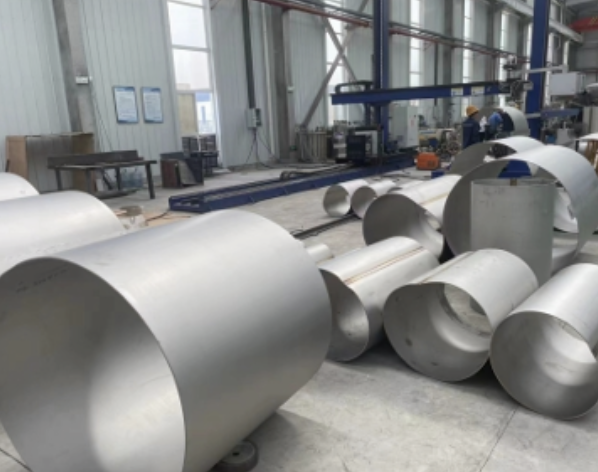
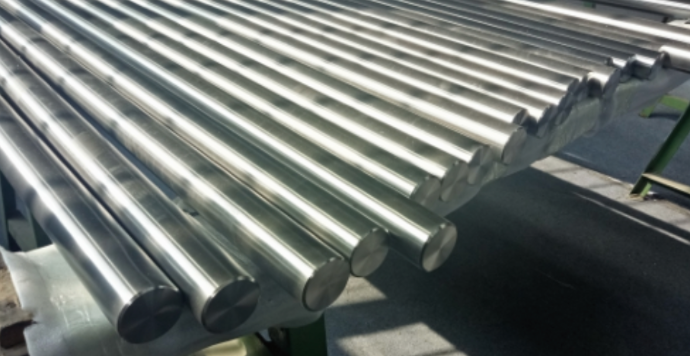
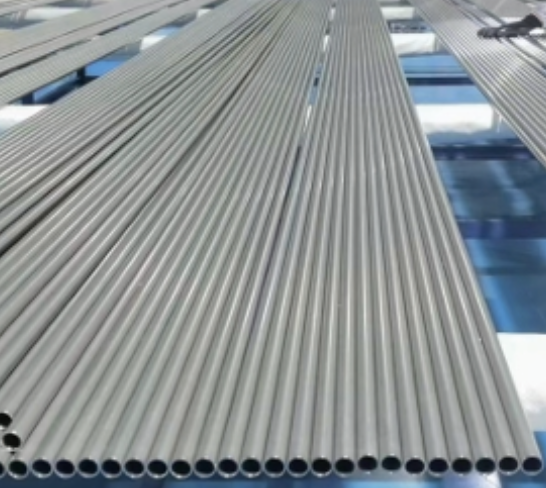
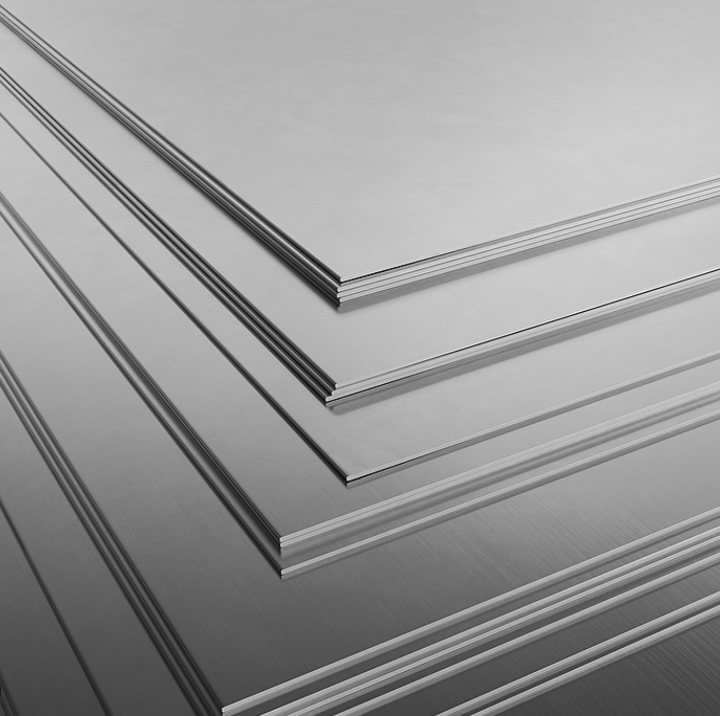
Forms: Bar and rod, plate and sheet, tube and pipe, and closed or open die forgings. We also supply discs, rings, profiles, billets, and bespoke machined components to drawing.
Sizes: Bars from approximately 3 mm to 500 mm diameter; plates from thin sheet up to heavy plate; tubing from capillary sizes to large OD with custom lengths. We support standard and custom lengths, with centreless grinding on bars where required.
Tolerances and finishes: Dimensional tolerances down to h6 to h12 where specified. Surfaces available in hot-rolled, acid-washed, polished, sandblasted, or machined bright. UT testing and other NDT available per standard or PO.
Standards and traceability: Supply to ASTM B348 and B265, ASME, ISO, and AMS specifications as called out on your drawing. Full mill certification and test reports provided, with additional testing on request.
Discuss your programme’s heat treatment class, mechanical property targets, and NDT plan early. We align the MTC package and sampling with your FAIR, PPAP , or aerospace certification flowdown.
Cost and availability context for 2026
Titanium remains a strategic material with supply influenced by sponge production, forging capacity, and aerospace demand. If you are planning qualification builds or long lead forgings, engage early so we can align mill-slots and testing.
For market context or to check current titanium prices, our team can advise and schedule the right route to keep your build on track.
Internal answers at a glance
What is Ti-6Al-4V material?
An alpha plus beta titanium alloy with 6 percent Al, 4 percent V, widely used for its strength to weight, fatigue resistance, and corrosion resistance.
Is Grade 5 titanium the same as 6Al-4V?
Yes, Grade 5 is the common name for Ti-6Al-4V under ASTM and AMS specifications.
Does Ti-6Al-4V rust?
No. It forms a protective titanium oxide film, though certain hot chloride or reducing environments require caution.
What is the strongest version of titanium?
Some beta and near-beta alloys exceed Grade 5 in ultimate strength, but Grade 5 remains the most widely used high-strength titanium for general duty.
What is titanium mostly used for?
Aerospace structures and systems, motorsport components, medical fixtures and implants, and chemical processing equipment.
How Metallium helps you move fast with confidence
Metallium is your UK partner for titanium alloys. If you need a quick comparison of titanium alloys, a mill-backed quote, or clarification on standards and test regimes, we are ready to help. Explore our range of titanium and related titanium bar options, or speak to our team for a specification review and immediate support on tolerances and certification.
Explore titanium alloys: https://www.metallium.co.uk/titanium
See titanium bar formats: https://www.metallium.co.uk/titanium
Market and guidance on titanium prices: https://www.metallium.co.uk/titanium
Summary
Ti-6Al-4V remains the UK engineer’s baseline for high specific strength, fatigue resistance, and corrosion performance in 2026. Specify the right standard, heat treatment, and test plan, manage machining and welding with robust processes, and you will achieve reliable, certifiable parts. Metallium supplies bar, plate, tube, and forgings with tight tolerances and full traceability to keep your project moving. Contact
sales@metallium.co.uk or +44 7774640326 to discuss your requirement.